
Why the most well-designed study can still fail before the first question is ever asked
Most field projects do not fail in analysis. They fail before the first question is ever asked. I have watched it happen. A research design that is rigorous on paper.
Ethics approval secured. Data collection tools tested and ready. And still, the project struggles — because the team arrived in a community that had no reason to trust them, no clear understanding of why they were there, and no real say in whether they wanted to participate.
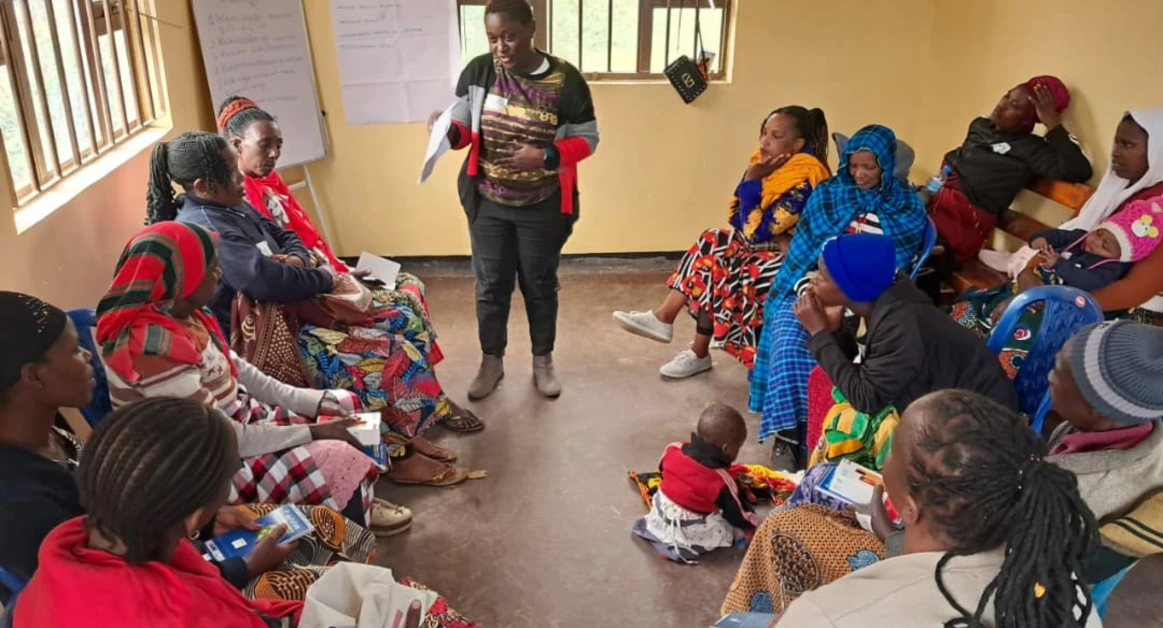
I remember one time arriving for a focus group in Kilimanjaro (northern-rural) Tanzania and found the venue empty. Not that participants had not come. They had gathered outside the building and were waiting because the community elder had not been consulted.
The local government official whose area covered the village had not been informed. The logistics had been arranged. The relationships had not.
I did not start the group. Instead, I sat down with the elder and a few villagers who were there, explained the purpose of the research, answered their questions, sought his blessing, and returned the following day. With time and patience I won my place of welcome in the community.
When this structure is honoured, participants are extraordinarily generous with their truth. When it is not observed or is violated, the walls come down.
That is a community entry failure. And it is far more common than most research reports will ever admit.
Resistance is not always confusion. Sometimes it is memory. When communities have lived through displacement and broken promises, what experts call stubbornness is often self-protection.
I once watched a colleague lose patience during a community engagement session. The meeting had gone off-script. Participants were raising old grievances, talking about things that seemed unrelated to our research objectives.
My colleague leaned over and whispered: "These people don't know what they are talking about." I pulled him aside and said: "Whatever they are saying in there — that is the data."
Because beneath the tension was a history we had arrived too late to witness. And within that history was exactly the kind of contextual knowledge that qualitative research exists to surface.
Community entry done well depends on four non-negotiables:
- Engaging local gatekeepers — their endorsement is your first layer of legitimacy, and without it, nothing else lands cleanly
- Clarifying objectives honestly — ambiguity breeds mistrust, and mistrust corrupts data before collection even begins
- Gaining genuine consent and social approval — not a signature on a form, but real understanding and willing participation
- Understanding local context before you arrive — the history, the power dynamics, the language, the unspoken rules
Skip any of these, and you risk your timeline, your participant trust, and the integrity of your findings. Do them well, and your fieldwork becomes ethical, effective, and grounded in something real.
The hardest skill in this work is not facilitation or report writing. It is sitting in a room full of tension tied to decisions made years before you arrived — and understanding that the tension itself is the most important thing in the room.
That is where the real work begins. Everything else is methodology.
0 Comments