
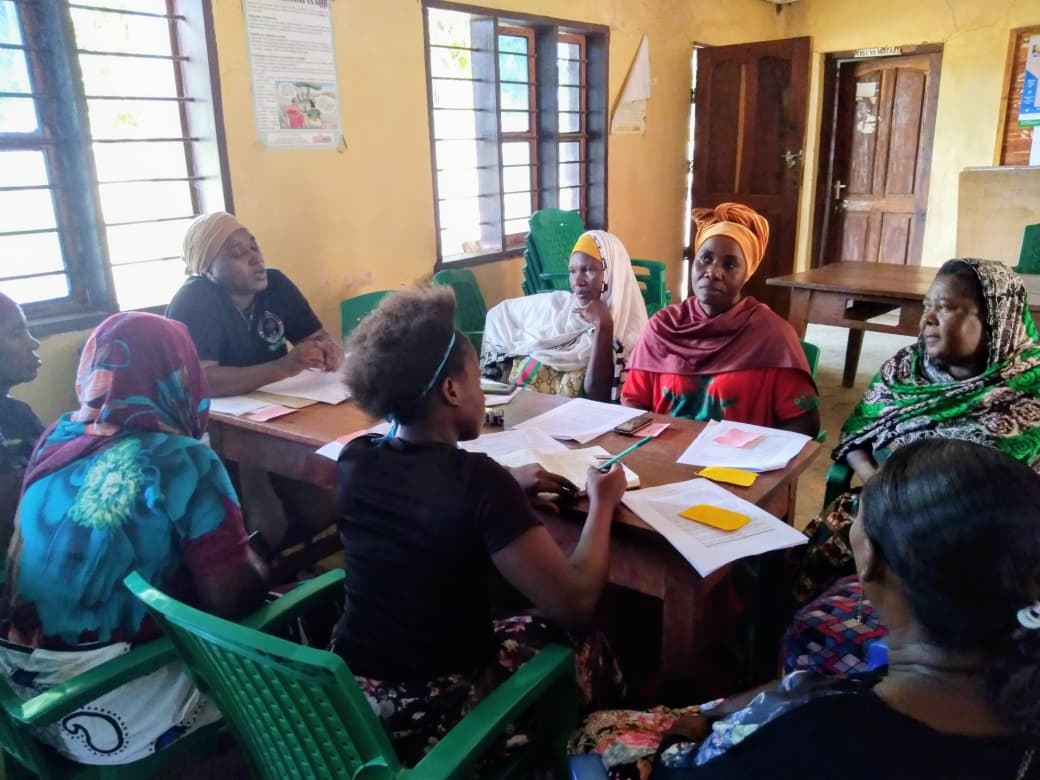
Why your discussion guide is only as good as the person holding it and what weak moderation actually costs
In qualitative research, the FGD guide is not the instrument. The moderator is.
Two teams can run the exact same discussion guide, with the same participants, in the same room and walk away with completely different data. Not because the questions were wrong.
But because data quality in focus group discussions (FGDs) is shaped in real time by how the moderator listens, probes, manages silence, handles dominance, and holds neutrality under pressure.
On a forest conservation and carbon-credit project in north-central Tanzania (Manyara), in 2026, some of the recruited facilitators didn't even know how to conduct a basic survey.
Once our field coordinator realized the situation, he assigned me additional responsibilities to help save the data quality. I accepted without hesitation — to be fair, it wasn't his fault; he hadn't known that some of the people recruited had no prior research experience.
If the instrument is blunt, the insights will be blunt. If the instrument is sharp, the data can actually carry weight in the rooms where decisions are made.
What weak moderation looks like in practice:
- Questions are technically correct but poorly timed — the probe arrives before trust has settled
- Probing stops the moment a participant says it's difficult — the exact moment depth was about to emerge
- One or two voices dominate unchecked while quieter participants withdraw entirely
- The moderator fills silences instead of letting meaning surface
- Sensitive topics are glossed over rather than approached with cultural care and patience
Nothing obviously goes wrong. The session runs on time. The report gets written. But the depth never comes — and no one in the analysis room can identify exactly why the data feels thin.
What skilled moderation actually involves:
- Probing that moves deliberately: description → meaning → implication → systems-level insight
- Group management that actively balances power, gender, age, confidence, and language
- Neutrality that protects data from subtle contamination — no leading gestures, no visible reactions
- Cultural sensitivity and rapport that create the conditions for difficult truths to be speakable
- Real-time analytical awareness — recognising emerging themes while continuing to facilitate
The real skill in community research is not asking the right questions. It is knowing when to stop asking and start receiving.
This is why FGD moderation is not a soft skill or an entry-level task. It is a methodological role that determines whether the data you collect was worth the time, budget, and community trust you invested to get it.
When a study is well-executed, the moderator's skill is visible in the richness of every transcript. When it is poorly executed, the damage is permanent — you cannot go back and re-facilitate a session that already happened.
If the data matters, the moderator matters. Everything else is just process.
0 Comments